 Students Login
 Teachers Login
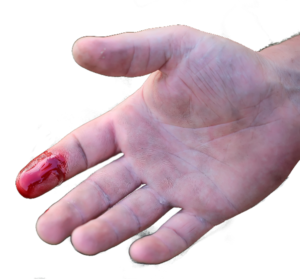
A hemorrhage, by definition, is blood fluid exiting from the blood vessels.

Lesson no. 20
Hemorrhage – Bleeding
A hemorrhage, by definition, is blood fluid exiting from the blood vessels.
The bleeding can be divided into three types:
Any internal bleeding can develop to a level of medical shock. Internal hemorrhages can be difficult to diagnose. This bleeding should be suspected when there are unexplained signs of shock and external signs on the body (blue marks or bruises). This hemorrhage can be stopped in an operating room.
Hemorrhages can be stopped by direct or indirect pressure:
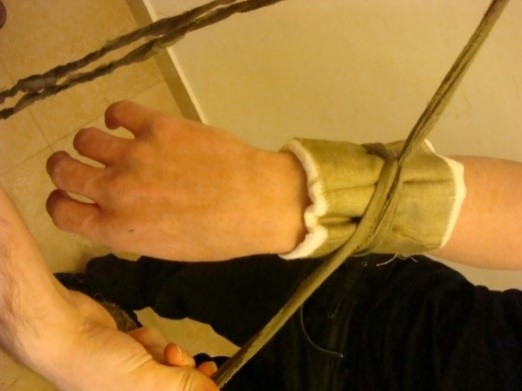
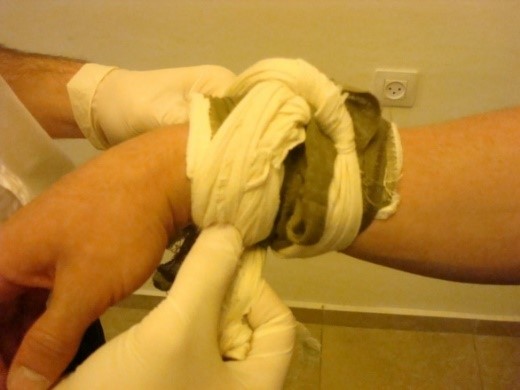

Of course, it is always preferable to use direct pressure over indirect pressure to prevent unnecessary necrosis, but there are a number of cases where indirect pressure should be applied.
Let us remember these cases with the help of the acronym Kever Rachel as well as the case where it’s “Tachat Esh” (under fire):
The acronym, when translated from Hebrew, is as follows:
This operation is only allowed by medics, paramedics, and doctors because once the tourniquet is placed, toxins and blood clots begin to accumulate in the area. Only a skilled responder who knows how to properly convert a tourniquet and how to deal with potential complications can do so.
There are also pressure points used in cases where we must place a tourniquet but we cannot do so (there aren’t any tourniquets on hand, or the tourniquet physically cannot be placed at the point of bleeding, for example, an armpit). We will learn about these points in the practical lessons.
Wounds are a daily and common injury and can usually be treated independently.
Types: Scrape, Rub, Tear, Burn
