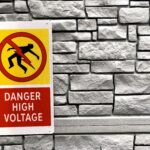
There are cause for electrical injuries, those however, are the most popular:
- Lightning Strikes (the least common)
- Exposure to Hight Voltage (usually contact with wiring or exposed devices)
- Exposure to Low Voltage (most common cause)
The affects of an electrocution can be anything from a simple physical discomfort, through severe injuries (such as burns) and in extreme cases, even death. The shock is often conducted by touch and affects the first tissue it contacts. That being said, many electrocutions cause plenty of internal damages, that may or may not be related to the external injuries. But what kind of electrical damages are there?
- Tissue damage (burns, internal bleeding, deep burns)
- Damage to the nervous system, loss of consciousness, confusion, disorientation, temporary memory loss
- Damage to muscles and the skeleton, convulsions, and even skeletal injuries (fractures)
- Respiratory disorders, apnea, respiratory distress and even respiratory failure
- Cardiac arrythmia, cardiac arrest, and in extreme cases, direct myocardial necrosis
Thus, electrocution is perhaps one of the most severe injuries that can affect almost each and even every of the bodily systems. As such, it requires a close treatment. Furthermore, unlike many other injuries, the person treating the electrocution victim has to take all safety measures, as they can easily be affected too.
Identifying an electrocution victim can be rather tricky if you haven’t seen the electric injury occur. When in doubt (if the patient is unconscious) scan the surroundings to spot and identify the potential source of injury.
Very much like other injuries, treating an electric injury requires acting quickly. You should, however, also be very careful, you might be affected by the electric current, too.
- The first step would be to shut down the source of electrocution. If there’s a switch that turns the electricity off, use it with care. However, if the source of electrocution cannot be controlled switched off, try to remove the affected person by using a tool that does not conduct electricity. It’s important that you do not touch that person with your bare hands. Furthermore, you should make sure that the object you choose is completely dry.
- Before you begin addressing any injuries, call for professional help. You will apply your much necessary and lifesaving first aid assistance while the professionals are on their way.
- The final step would be providing first aid. First thing you should do is check whether the injured person is conscious. Even if they aren’t, you will have to provide initial treatment that is vital if the person has suffered from any heart or internal injuries. Begin by applying CPR if the person inflicted is irresponsive.
 Students Login
 Teachers Login