Neurologic medical emergencies

Lesson no. 3

Seizures

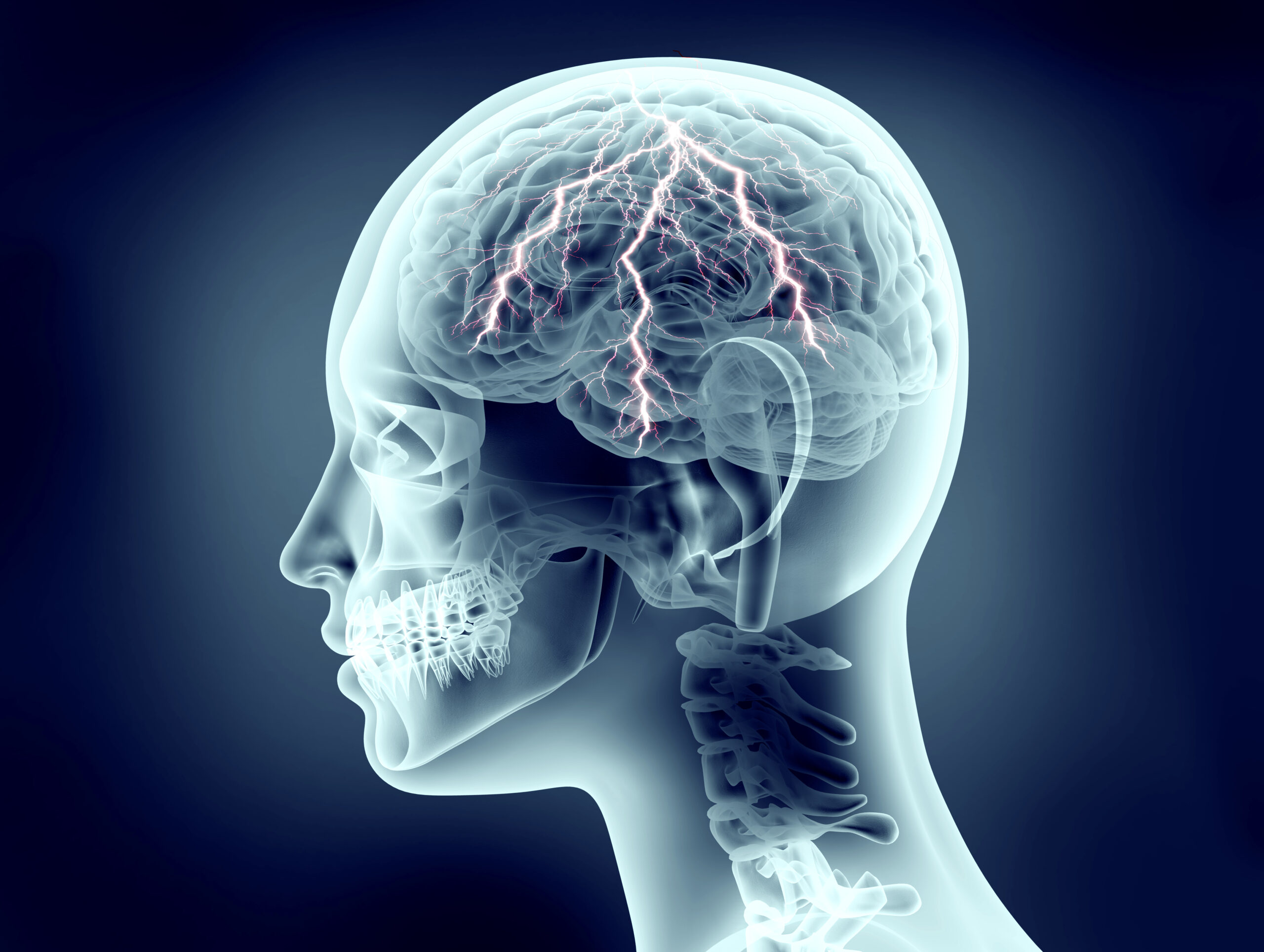
Seizures are a common neurological disorder that can be caused by a number of factors, including a brain development disorder, cancerous growth, or epilepsy. The information in the brain is transmitted through electrical signals, and an epileptic seizure is a condition in which there is a sudden and transient disturbance in the electrical activity of the brain. The manner in which the seizure is expressed and its extent depends on the area of the brain affected, most often from the cortex.

Causes of seizures

  • Infection in the brain or its membranes
  • Head injury
  • Poisoning (also from drugs and alcohol)
  • Brain tumors
  • Eclampsia (seizures from a pregnancy disorder)
  • Hypoglycemia
  • Epilepsy
  • Unknown causes

Types of convulsions

  • Partial seizure – a seizure with clinical indication of an electrical disorder involving one hemisphere (side) of the brain. These are relatively short seizures.
  • Simple partial seizure – a localized sense of “numbness” in a limb, muscle spasms and even jitters. Only involves one part of the brain’s lobes and the person remains conscious.
  • Complex partial seizure – may manifest similarly to a simple partial seizure, accompanied by behavioral changes, or exclusively behavioral changes expressed by extreme changes in mood (aggressiveness, confusion). There may be impaired consciousness and can also manifest as visual impairments and automatism (repetitive movements) such as swallowing, sucking and licking.
  • Generalized seizure – a seizure with clinical indication of an electrical disorder involving both hemispheres of the brain.
  • Absence seizure (Petit mal) – a seizure characterized by environmental detachment, the patient does not respond to environmental stimulus. It may be characterized by automatism or tics. More common in children.
  • Tonic-clonic seizure (Grand mal) – a seizure accompanied by loss of consciousness. Can cause distortion of limbs or may cause a strong contraction of the muscles. A dangerous condition that needs to be treated immediately.
Seizures

Stages of Grand mal

  • Aura: The preliminary stage. The patient will describe some taste, smell, familiar sound, feeling of déjà vu. This is the stage that warns of an oncoming seizure.
  • Tonic stage: The patient will lose consciousness, all their muscles will contract (if they were standing or sitting they will fall to the ground). Occasionally a scream will be heard as a result of the chest and lungs contracting.
  • Clonic stage: The patient’s muscles will contract and relax quickly, causing the movement typical of a seizure.
  • Postictal stage: The patient regains partial consciousness, will often be confused, tired and sleepy, but after a few minutes will return to full consciousness.
  • Status Epilepticus – a grand mal seizure lasting 30 minutes or more, or alternatively causing recurrent seizures without a return to consciousness between seizures. The patient will need drug intervention to stop the seizures, and if not – the seizures will end when the body’s energy runs out.


When we reach an unconscious patient, these are the ways in which to identify whether or not they have experienced a seizure:


  • Ask those in the immediate area
  • If an acquaintance is found, ask whether the person has epilepsy
  • Often the patient will lose control of the sphincter (will urinate and defecate) and sometimes we will also notice bite marks on the tongue


When the person regains consciousness, the best way to distinguish between a seizure and fainting is to assess the time it takes them to regain consciousness and show proper environmental responsiveness. The time it takes for post-seizure consciousness is far longer than after fainting.


Pay attention! During a seizure, the person should not be disturbed nor held, as it may injure us or themselves (bone fractures) as a result of muscle contractions and impaired movement.

Treatment

  • Remove objects from the area and cushion the person’s head with a pillow or any soft object at hand
  • Do not try to open their mouth and keep their tongue out, but only pad the person’s head
  • Call for help and wait for the seizure to pass
  • If we have a medical oxygen tank with a mask, oxygen can be delivered at a speed of 10 LPM from a standard oxygen mask

Heat induced seizures

The vast majority of cases occur in small children (up to age 5). The seizure doesn’t happen because of the high temperature, but because of the rapid temperature changes.

 The signs of heat-induced seizures are the same as normal seizures, except that the patient will usually also have a fever beforehand. These seizures are very stressful to witness, but usually do not indicate irreversible damage. The treatment of heat-induced seizures is the same as in any seizure treatment, but we will also try to cool the patient by placing a lukewarm, water-soaked towel on the patient’s forehead and chest.


Do not:


    • Do not cover the patient’s face with a towel
    • Do not put the patient in the bath during the seizure.

did you know

  • Hippocrates was the first to write a book about epilepsy in the year 400 BC. In his book he claimed that the disease was due to brain failure and that it was not related to prophetic powers (as was commonly believed back then). In the 19th century, people with epilepsy were kept in mental institutions. They were separated from the rest of the patients for fear that the disease was contagious. Another example is that in the early 20th century parts of the United States enacted laws against people with epilepsy that included a ban on “mixed” marriages and even castration.
  • An “attack” doesn’t have to include seizures and loss of consciousness, it can be expressed, among other ways, in the following forms: repetition of the same word, inability to answer a question, unclear speech, proliferation (physical) and screaming. Each person is born with a varying threshold for onset of an epileptic seizure, and as soon as the amount of brain stimuli exceeds the threshold, the person will experience a seizure. The higher the threshold, the less likely they are to have a seizure. This threshold can change as a result of drinking alcohol, lack of sleep, stress and various diseases.
Accessibility